
China’s industrial metals output is showing a sharp divergence in 2025, with primary aluminum production approaching historic highs while crude steel output contracts below 1 billion metric tons for the first time in years. The contrasting trajectories reflect shifting demand patterns and Beijing’s efforts to rebalance heavy industry.
Data from China’s National Bureau of Statistics and industry trackers show primary aluminum output rose about 2.5% year‑on‑year to roughly 41.17 million tonnes in January–November 2025. In November alone, output climbed to 3.79 million tonnes, also up 2.5% from a year earlier. Analysts say demand from the auto and power‑storage sectors underpinned the gains.
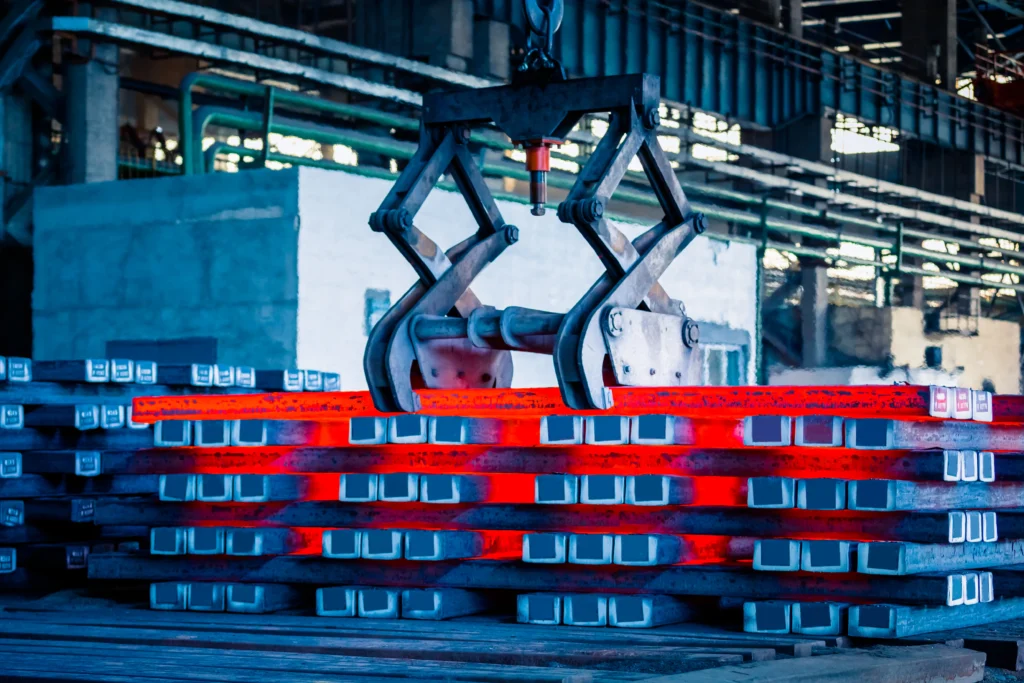
In stark contrast, China’s crude steel production is on track to fall below 1 billion tonnes this year, a level last seen before 2019, according to industry estimates. Output is expected at around 968 million tonnes in 2025, down roughly 4% from 2024, as Beijing’s capacity controls and weaker property‑sector demand weigh on steelmaking.
The slowdown in steel consumption, which fell about 5.7% in the first nine months, has outpaced production cuts, creating a persistent supply‑demand imbalance that is pushing mills to export more material.
For commodity markets, this divergence has major consequences. Aluminum’s sustained growth underscores its expanding role in electric vehicles, aerospace, and renewable energy applications, where lighter weight and recyclability are prized. At the same time, the steel sector’s contraction signals broader macroeconomic headwinds for China’s construction and infrastructure segments.
The weaker steel cycle also adds upward pressure on global shipments of iron ore even as prices face volatility. Meanwhile, aluminum’s tight supply fundamentals support stronger pricing relative to other base metals.
Investors and policymakers will be watching whether these trends persist in 2026, as China balances industrial policy with broader economic goals.